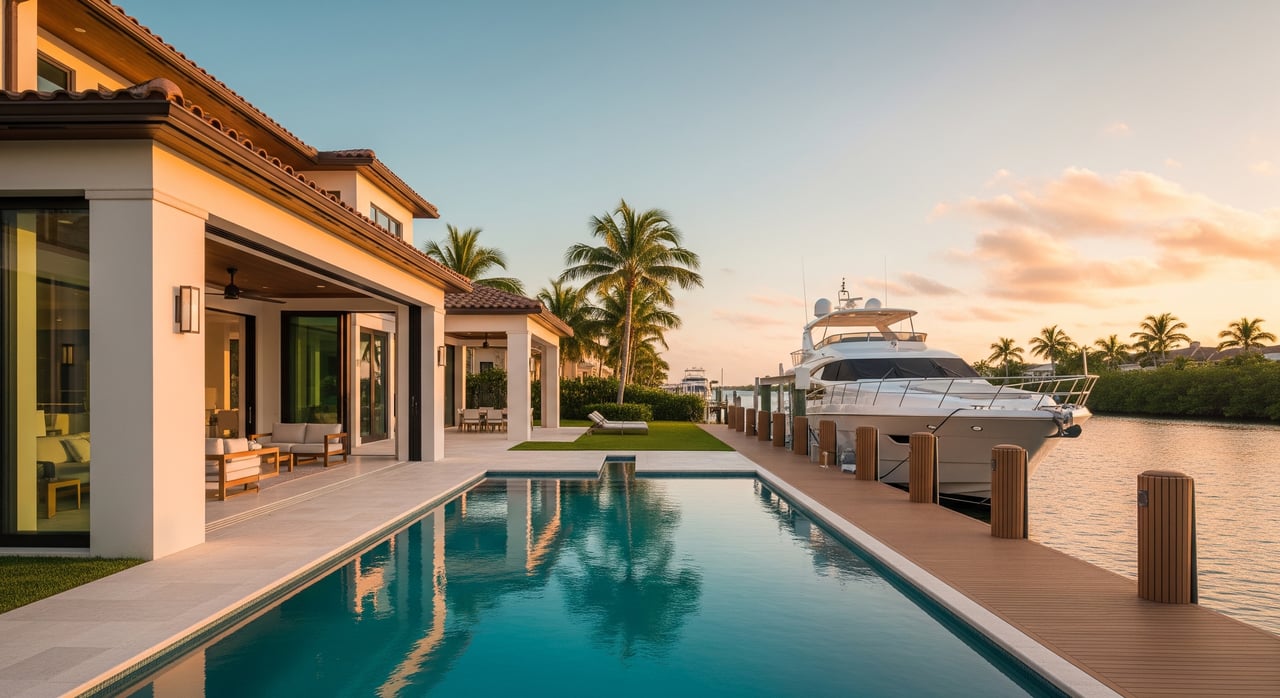
What Waterfront Living in Jupiter Really Looks Like
February 5, 2026
February 5, 2026
If you picture mornings on the dock, afternoons cruising the Intracoastal, and evenings at a waterfront restaurant, you’re already halfway to understanding Jupiter’s waterfront lifestyle. You also know there’s more beneath the surface. Tides, inlet access, seawalls, flood zones, and HOA rules all shape daily life and long-term costs. In this guide, you’ll learn how waterfront living really works here, from neighborhood types and boating access to insurance and permits, plus a clear checklist to shop with confidence. Let’s dive in.
Beachfront homes sit on the barrier island with direct Atlantic access and sand just beyond the dunes. You get sunrise views and easy beach days, along with seasonal sea turtle lighting rules and dune management. Ocean-facing lots are among the most private, and they typically command premium pricing. Expect a focus on durable finishes, impact systems, and outdoor living spaces that handle salt and wind.
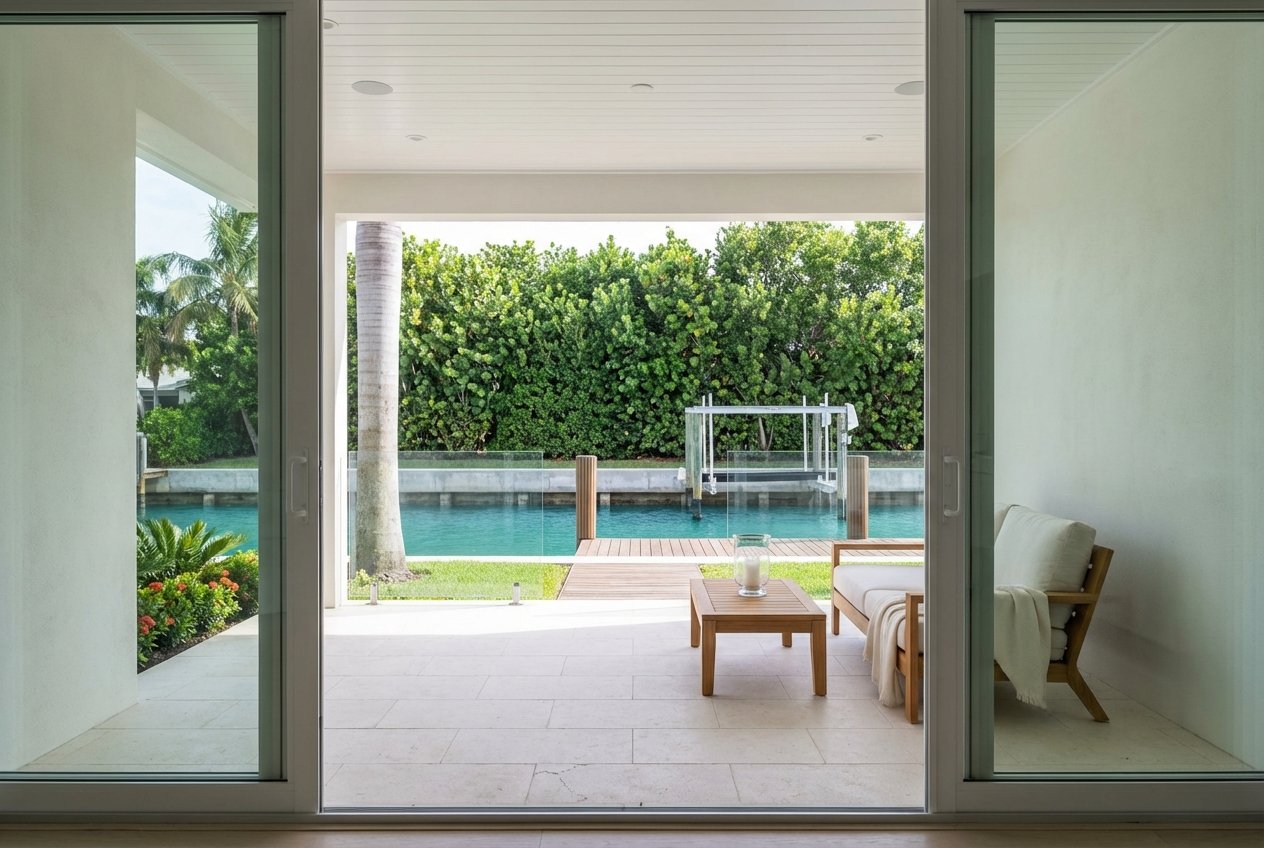
Many single-family neighborhoods sit on canals that connect to the Intracoastal Waterway. Your day-to-day on the water depends on canal depth, tidal swings, and whether there are fixed bridges between you and the Jupiter Inlet. If ocean access matters, look for “no fixed bridges” and adequate water depth for your boat. Shallow canals can be ideal for smaller boats, kayaks, and paddleboards but may require trailering for offshore trips.
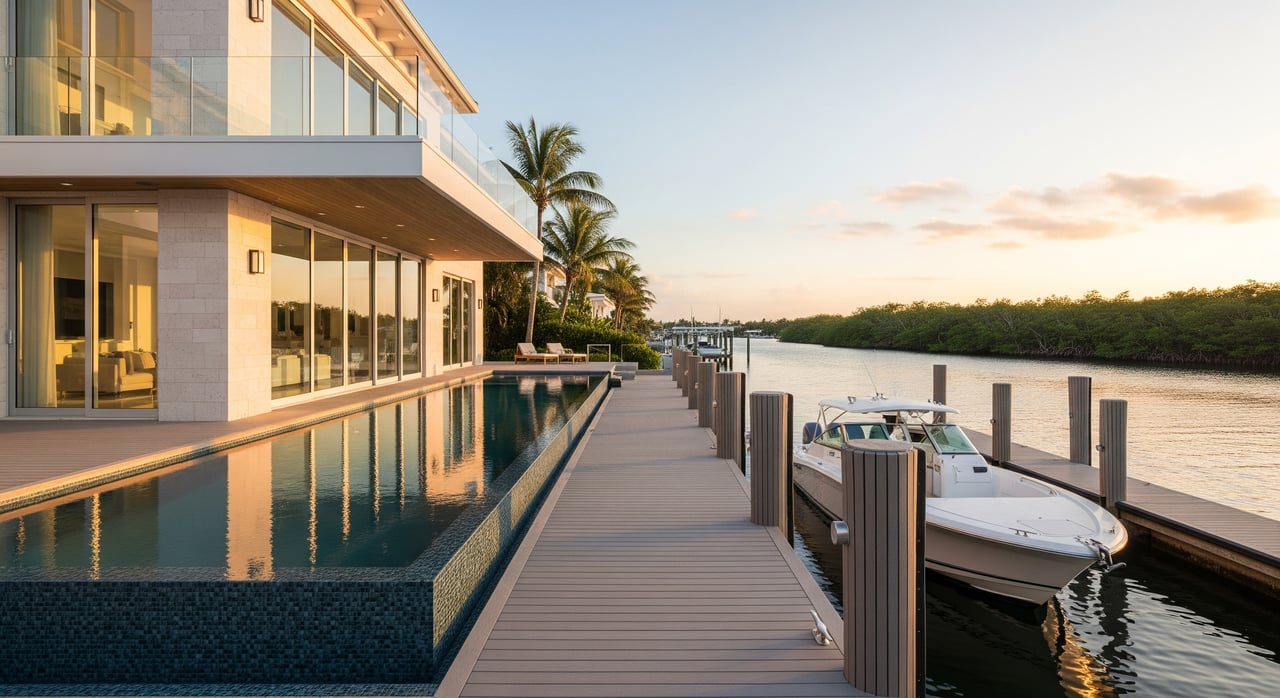
Riverfront properties along the Loxahatchee offer scenic views, room for larger docks, and direct routes to the inlet. These homes often feature private lifts, deep-water dockage, and layouts that orient living spaces toward the water. If you fish offshore or enjoy longer cruising days, riverfront and other deep-water estates provide the fastest paths to the Atlantic.
If you prefer a lock-and-leave setup, marina-centered gated communities and waterfront condos offer slip access, clubhouse amenities, and shared maintenance. Boat size limits, slip assignments, and waitlists vary by community. Condominiums and townhomes often deliver the waterfront lifestyle with predictable upkeep and social amenities, which can be attractive for seasonal or relocation buyers.
Boating is the heartbeat of Jupiter. Many residents keep center consoles or sport boats at home or in nearby marinas. The Intracoastal leads to the Jupiter Inlet and then the Atlantic. Conditions at the inlet depend on weather, currents, and shoaling, so local knowledge and caution are important, especially on windy days. If offshore fishing or diving is part of your plan, time a run from the dock to the inlet during a showing to confirm the route you’ll take most often.
You’ll find easy access to public beaches and waterfront parks for swimming, walking, and family recreation. Harbourside Place hosts dining, shops, and events within a scenic waterfront setting. The Jupiter Inlet Lighthouse and Museum is a recognizable landmark and a favorite backdrop for boat days. When you want green space, Riverbend Park and Jonathan Dickinson State Park offer miles of trails and calm-water paddling nearby.
From late fall through spring, seasonal residents and visitors bring more boats on the water and more activity at restaurants. Summer is quieter and also aligns with hurricane season, which influences planning and insurance. If you can, tour properties in and out of season to understand noise patterns, boat traffic, and neighborhood rhythms.
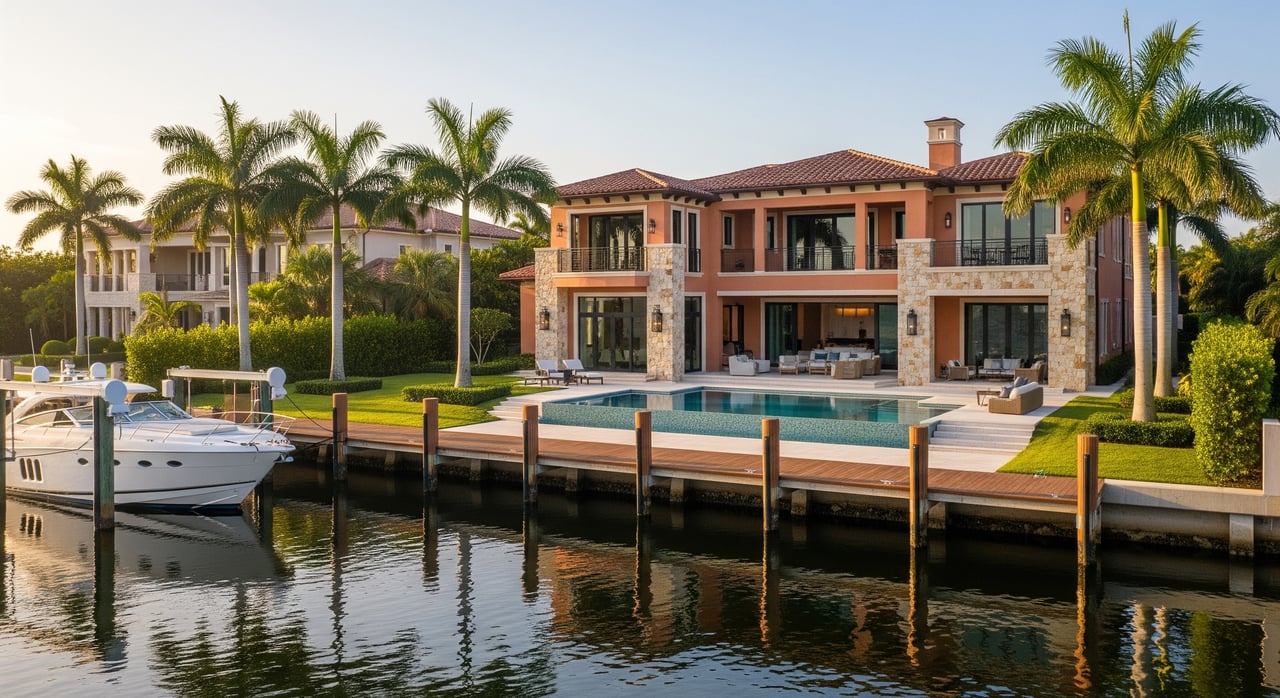
On deep canals and the river, private docks and lifts are common. Confirm pile condition, electrical for lifts, and permitted dimensions. Some lots on shallower canals support smaller vessels or personal watercraft. If you plan to keep a larger boat, verify boat size limits and any bridge constraints along your route to the inlet.
Seawalls and bulkheads protect waterfront lots from erosion and tide action. Their condition affects your budget and peace of mind. Many homes include flood-mitigation features like elevated living areas or flood vents. Flood zone designation, elevation, and construction type all influence insurance requirements and pricing.
Most homes connect to municipal utilities, though some older or more remote parcels may use septic. Salt, wind, and sun drive material choices. You’ll see metal or concrete roofs, impact-rated glass, and coastal-friendly exterior finishes. Interiors range from laid-back bungalows to modern estates, often with indoor-outdoor floor plans that maximize views.
Waterfront life comes with recurring upkeep. Plan for dock maintenance, lift service, and routine inspections of pilings and electrical systems. Seawalls have long lifespans yet can require significant investment when repair or replacement is due. HOA or marina communities add monthly fees that may include dock use, security, and common-area care.
Canal-front properties can experience seasonal boat traffic and engine noise, especially on weekends and holidays. Riverfront and inlet-adjacent areas see activity spikes during peak fishing and cruising times. Walk the property at different hours to understand what your typical day will sound like.
Waterfront homes typically require flood coverage and windstorm protection, with premiums influenced by elevation, mitigation features, and flood zone. Secure quotes early based on the property’s specifics. For resale, buyers consistently value direct ocean access, well-maintained docks, impact systems, and documented seawall condition.
Flood Insurance Rate Maps determine whether lenders will require flood insurance and at what level. Risk comes from both tidal flooding and storm surge during major weather events. An elevation certificate, survey, and insurance quotes will give you a clear picture before you make an offer.
Dock work and seawall projects typically require permits at the county and state levels, and sometimes federal review for navigable waters. Slip sizes, boat lifts, and fuel or pump-out rules are regulated. Confirm that existing structures match permits and setbacks, and check whether any elements are grandfathered.
Sea turtle nesting season influences beachfront lighting and activity from spring through fall. Manatee protection zones and no-wake areas limit speed in designated waterways. Be prepared to follow posted rules that protect wildlife and seagrass while keeping waterways safe for everyone.
Use this as a quick reference while touring and evaluating waterfront properties:
If sunrise walks on the beach and low-maintenance living are your priorities, the barrier island and select condo communities will fit well. If your focus is fishing or quick offshore runs, target riverfront or deep-water canal homes with no fixed bridges. For a social, amenity-forward lifestyle, consider gated marina communities with club services. Commuters appreciate access to I‑95 and Florida’s Turnpike, along with proximity to Palm Beach Gardens, West Palm Beach, and Boca Raton for shopping, medical care, and entertainment.
Start with coffee on the dock while manatees and dolphins cruise the canal. Take a mid-morning paddleboard session on calm Intracoastal waters before the midday boating rush. Head to Harbourside Place for lunch on the water, then walk the shoreline at Carlin Park. As the sun settles, take an easy river cruise and watch the Jupiter Inlet Lighthouse light up the evening sky. In season, make reservations for dinner and plan your boat run home with the tide.
Waterfront living in Jupiter is as rewarding as it is nuanced. The best outcomes come from pairing your lifestyle goals with clear, early due diligence on docks, seawalls, flood zones, and insurance. When you are ready, work with a local advisor who knows the canals, marinas, bridge clearances, and community rules by heart and can coordinate inspections and quotes quickly.
If you want a tailored search, private inventory options, or a second opinion on a specific property’s dock and seawall, reach out to Denise Torres. You’ll get neighborhood-level insight, organized next steps, and a plan that aligns your boating and beach goals with the right home.
Stay up to date on the latest real estate trends.
I pride myself on informing and educating my clients in order to make better real estate decisions. Contact me today to find out how I can be of assistance to you!