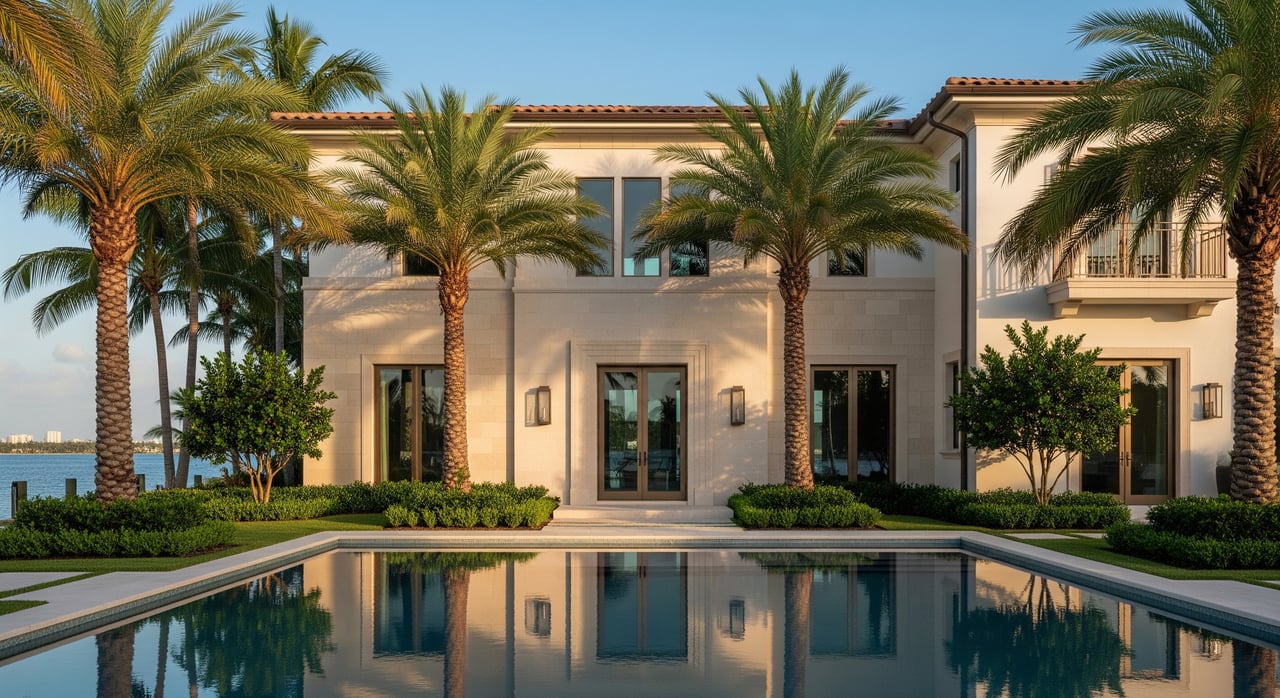
New Construction Buying in West Palm Beach: Process Guide
January 22, 2026
January 22, 2026
Thinking about buying new construction in West Palm Beach but not sure where to start? You are not alone. The process looks different from buying a resale home, and small choices can affect your budget, timeline, and insurance. In this guide, you will learn the exact steps, local checkpoints, and contract terms to watch so you can move forward with confidence. Let’s dive in.
You get modern building codes, energy-conscious design, and the chance to tailor finishes. In South Florida, many buyers also value wind and flood resilience built into newer homes. The trade-off is timing. High demand in the West Palm Beach–Boca Raton–Delray Beach corridor can affect lot releases, build slots, and incentives, so planning early matters.
Palm Beach County and the City of West Palm Beach oversee permits and Certificates of Occupancy. Permit backlogs, plan reviews, or inspector availability can push schedules. Materials and labor pricing, lot premiums, impact and utility connection fees, and HOA amenities also shape your final number. Seasonal risks like hurricane season, plus supply lead times for windows and appliances, can add time.
Decide on the product type that fits your needs:
Verify the builder’s Florida license, past projects, warranty practices, and any complaint history. Confirm the community type, HOA rules, and what the base price includes versus upgrades.
Builders often require a reservation and deposit to hold a lot or specific plan. Before paying, ask how deposits are held, escrow versus a builder account, and when they are refundable. Request the full purchase contract and all community documents in advance so you can review terms without pressure.
Builder forms are designed to protect the builder. Focus on:
Have an experienced buyer’s agent and a Florida real estate attorney review the paperwork. The on-site sales rep works for the builder.
Your options depend on the home type and stage:
Get pre-approved and ask how long you can lock a rate if construction runs long. If you consider a builder’s lender, compare the incentive against rate, fees, and your net cost.
Builders set deadlines for finish selections. Missing them can limit choices and raise costs. Ask for written pricing and schedule impact for any change order before you approve it. Keep a running list of selections and signed addenda.
Local inspectors check key stages and the final home, but you should also hire an independent inspector. A pre-drywall inspection can catch framing or mechanical issues while they are visible. A final inspection before closing helps you build a punch list and verify that systems operate as expected.
Closing typically follows the final Certificate of Occupancy and lender sign-off. If a temporary certificate or early occupancy is proposed, confirm your lender and insurance accept it and document who is responsible for unfinished items. Verify that all permits are closed and that any municipal punch-list items are resolved or escrowed.
Most builders offer a limited warranty. Common patterns include one year for workmanship, two years for systems, and longer coverage for structural items, but terms vary. Learn how to file service requests, response times, and any required notice before a dispute. Keep all manuals, serial numbers, and service logs.
Confirm if deposits are refundable and under what conditions. Preference is to have funds held in escrow, not a builder operating account. Ask for clear language that limits forfeiture to specific buyer breaches.
Ask if there is an escalation clause tied to materials or labor. Get a written list of what is included, allowance amounts, and a current price sheet for options. Clarify what happens if an item is backordered and a substitution is needed.
Find out if the date is firm or if you have an estimated window. Review allowed extensions for weather, permitting, or supply issues, and whether the builder provides any liquidated damages for delays.
If the contract allows a temporary certificate of occupancy, confirm insurance coverage, lender approval, and responsibility for punch-list items and utilities during that period.
Document costs, paid amounts, and who warrants specialty items like custom cabinetry or built-ins. Confirm payment methods for balances due on upgrades.
Obtain the covenants and bylaws, budgets, reserve information, and the developer transition plan. Ask when owner control begins and when assessments start.
Confirm coverage length, exclusions, and the exact claim process. Ask if the builder allows an escrowed holdback at closing for unresolved items, and whether your lender requires it.
Many builder contracts include arbitration clauses, limits on damages, and short claim windows. Review any pre-suit notice requirements and understand your obligations before signing.
Spec or inventory homes can close in weeks to a few months. Pre-construction homes can take many months to a year or longer. Local drivers of extension include permitting cycles, material lead times, labor availability, and severe weather. Costs to plan for include lot premiums, options and upgrades, impact and utility fees, HOA dues, and insurance.
New homes here often include wind-rated windows and reinforced roofs that can help with insurance. Coastal location and flood exposure still drive premiums, so get quotes early. Ask about wind mitigation credits, the home’s roof covering classification, and flood-zone requirements if the lot is in a special hazard area. An insurance agent who knows Palm Beach County can help you compare options.
You deserve a calm, organized process from first visit to final walk-through. With buyer representation that includes remote and concierge support, curated builder introductions, inspection coordination, and clear contract guidance, you can focus on the big picture while we manage the details. If you are weighing new construction in West Palm Beach or nearby coastal communities, connect with Denise Torres to plan your next steps.
Stay up to date on the latest real estate trends.

I pride myself on informing and educating my clients in order to make better real estate decisions. Contact me today to find out how I can be of assistance to you!