
Understanding Jumbo Loans in Juno Beach Real Estate
December 4, 2025
December 4, 2025
Eyeing an oceanfront condo or a waterfront home in Juno Beach and wondering if you’ll need a jumbo loan? You’re not alone. In this coastal luxury market, larger loan amounts are common, and lenders review these loans with extra care. In this guide, you’ll learn what counts as a jumbo in Palm Beach County, how lenders evaluate borrowers, the coastal factors that can affect your approval, and how to prepare a strong application. Let’s dive in.
A jumbo loan is any mortgage that exceeds the conforming loan limit set by the Federal Housing Finance Agency. Loans at or below that limit can be sold to Fannie Mae or Freddie Mac. Loans above it are non-conforming, also known as jumbo. Jumbo is a limit distinction, not a single product type, but lenders underwrite these loans with stricter standards.
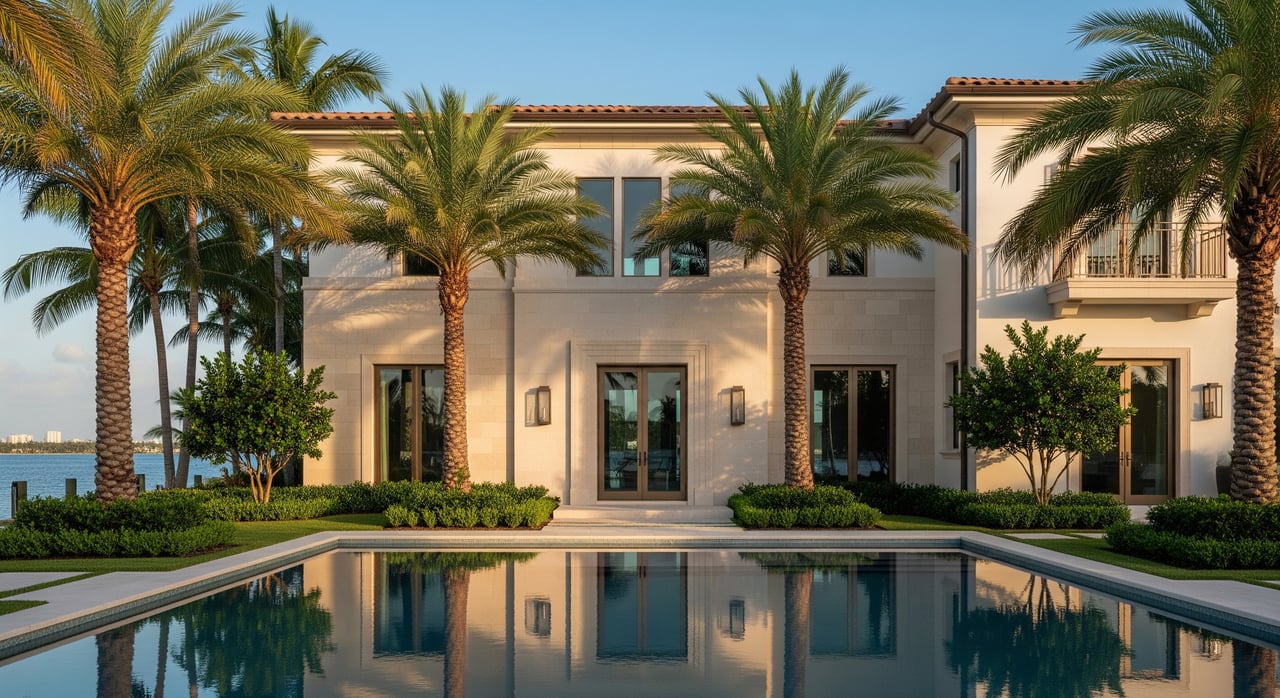
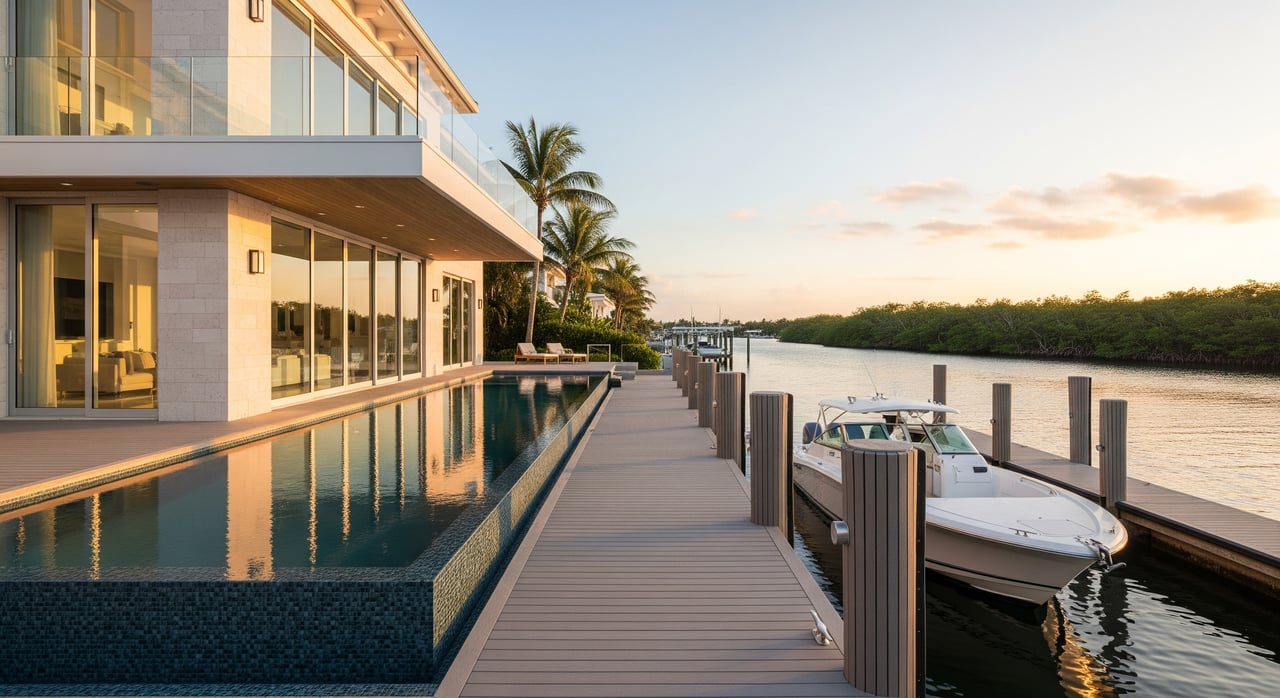
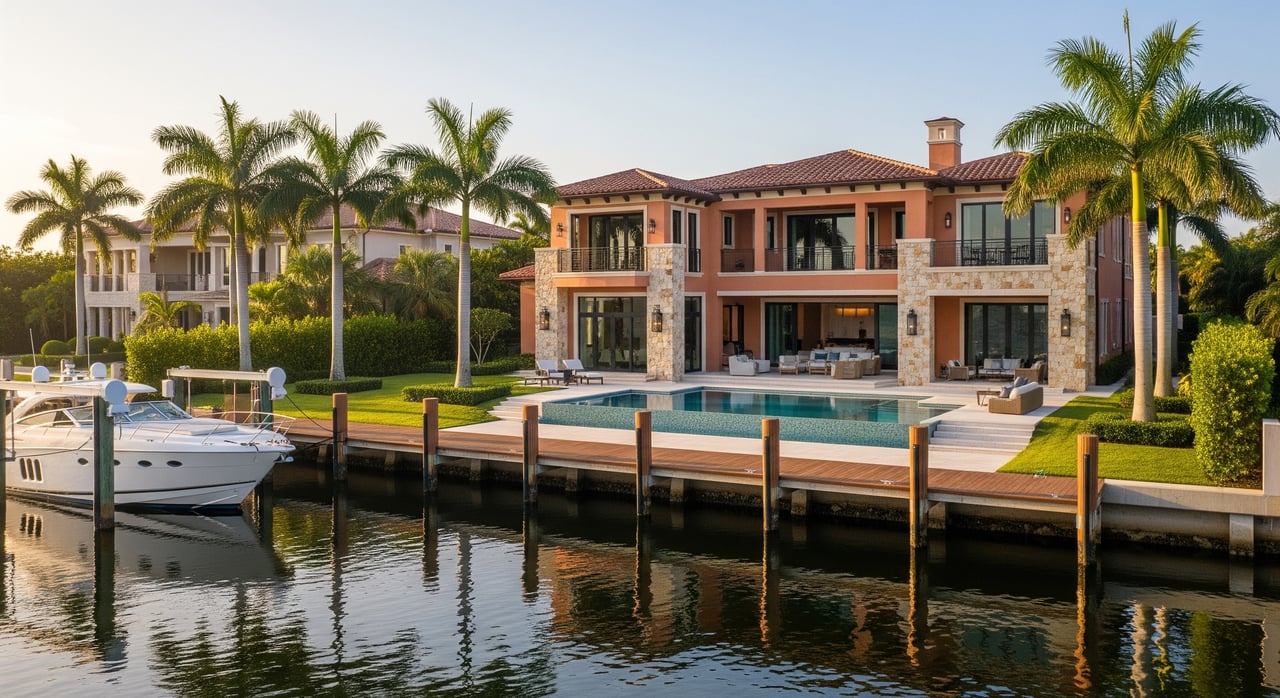
Juno Beach has a high concentration of luxury single-family homes and oceanfront condominiums. Because purchase prices are often higher, your loan amount may exceed the conforming limit for Palm Beach County. When that happens, you shift into jumbo territory and should plan for a more detailed review of your finances and the property.
Jumbo lenders usually expect stronger credit than conforming programs. Many prefer mid-700s or higher for the best pricing. Your full credit history matters. Recent bankruptcies, foreclosures, or collections can require seasoning of 12 to 24 months or more, depending on the event and lender. Clean, consistent credit behavior helps your rate and approval odds.
For a primary residence jumbo, typical minimum down payments run 10 to 20 percent. Larger “super-jumbo” amounts often require 20 to 30 percent or more. Vacation homes and investment properties usually need larger down payments and allow lower loan-to-value ratios. The stronger your equity, the better your pricing and the smoother your approval.
Many lenders want your debt-to-income ratio under about 43 percent. Stronger jumbo files often land in the mid 30 percent range. You also need cash reserves after closing. Expect 6 to 12 months of mortgage payments in liquid assets for standard jumbos, with more for second homes, investment properties, or very large loans. Lenders verify reserves through recent bank or brokerage statements.
Plan for full documentation. W-2 borrowers typically provide recent pay stubs and two years of W-2s and tax returns. Self-employed buyers should be ready with two years of business and personal returns. High net worth buyers may qualify through asset-based options, like asset depletion, but these programs vary and often come with higher rates or tighter terms.
High-value and coastal properties usually need a full interior and exterior appraisal by an appraiser experienced with luxury and shoreline homes. Appraisals can cost more and take longer at the high end. Some loans may require a second appraisal. For condominiums, lenders review the entire project. Oceanfront buildings with high association debt, a large number of investor-owned units, or low reserves may face stricter eligibility reviews.
Coastal properties bring extra layers of risk that lenders evaluate.
Jumbo rates can be slightly higher than conforming rates or similar, depending on market conditions and your profile. Because jumbos do not go to Fannie or Freddie, pricing is driven by each lender’s appetite and whether they hold the loan or sell it to private investors. Strong credit, lower loan-to-value, and healthy reserves help you qualify for the best terms available at the time you lock.
Traditional PMI is tied to conforming loans. Most jumbo programs avoid PMI and instead rely on larger down payments. Some lenders structure second liens or offer lender-paid alternatives to manage risk. If you hold substantial assets, those can sometimes serve as compensating factors even without PMI.
Expect higher appraisal fees and potentially more than one appraisal on large transactions. Title and escrow fees scale with price. Lender points and origination charges vary widely. Your total cash at closing typically includes the down payment, closing costs, any required escrows, and the post-closing reserves you must keep on hand.
Start the process before you shop in earnest. Jumbo pre-approvals require more documents and more time. An early green light helps you move fast on the right home and signals strength to sellers in a competitive coastal market.
Not all jumbo programs are the same. Compare interest rates, required reserves, documentation, appraisal timelines, and condo review processes. Consider national banks, local community banks, and mortgage lenders that are active in Palm Beach County. Ask about condo project eligibility if you are targeting oceanfront buildings.
High-value appraisals can take longer to schedule and complete. Condo reviews can add days while the lender reviews master insurance policies, budgets, and reserve studies. Insurance quotes for flood and wind can also take time to finalize. Build a realistic closing timeline and keep your documents current through underwriting.
Gather these items before you apply to reduce back-and-forth requests:
If you are eyeing an oceanfront condo, address project eligibility early. Some buildings may not fit certain lenders’ jumbo guidelines. Ask your agent and lender to review the association’s financials, reserves, unit mix, and pending maintenance items. Getting in front of those details can save you time and stress later.
If you are selling a luxury property, expect buyers using jumbo financing to request longer financing and appraisal contingencies. Provide association documents early if you are selling a condo. Be open to appraisal discussions, since high-end comps are fewer and buyers and lenders need sufficient data to support value.
Jumbo financing in Juno Beach is common and achievable when you prepare. Focus on four pillars: strong credit, realistic down payment, verified income and reserves, and a property that clears appraisal and insurance hurdles. With early pre-approval, clean documentation, and a team that understands coastal underwriting, you can move confidently toward the closing table.
Ready for a local strategy tailored to your goals and timeline? Connect with Denise Torres for buyer representation, neighborhood guidance, and a plan that fits the Juno Beach luxury market.
Stay up to date on the latest real estate trends.


I pride myself on informing and educating my clients in order to make better real estate decisions. Contact me today to find out how I can be of assistance to you!