How to Price Waterfront Homes in Tequesta
January 15, 2026
January 15, 2026
You know a Tequesta waterfront home is special the moment you step onto the dock and feel the breeze. Pricing it right is where emotion meets evidence. If you want top dollar and a smooth sale, you need a clear plan that accounts for access, seawall condition, elevation, insurance, and true local comps. This guide walks you through how to price with confidence, reduce surprises, and present your home the way buyers expect in Palm Beach County. Let’s dive in.
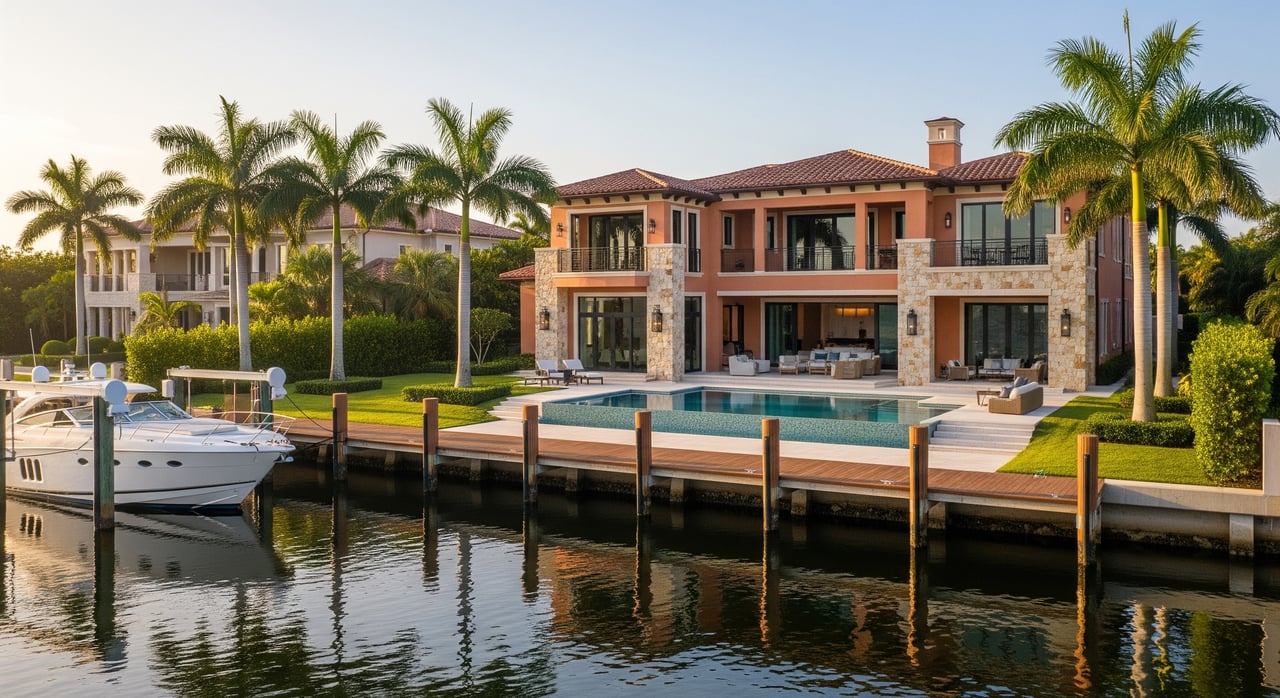
Waterfront in Tequesta spans intracoastal and canal-front homes with private docks, riverfront or tidal-lagoon properties, and a small number of lakefront options. Oceanfront tends to command the highest premiums, but in this area many buyers pay for actionable boat access more than direct beach frontage. Your pricing should reflect the water type, view corridor, and navigability.
Seasonality plays a role. Listing activity and buyer traffic often rise in fall and winter as seasonal residents return. Inventory and interest rates across the West Palm Beach–Boca Raton–Delray Beach metro also influence demand, especially for upper-tier properties.
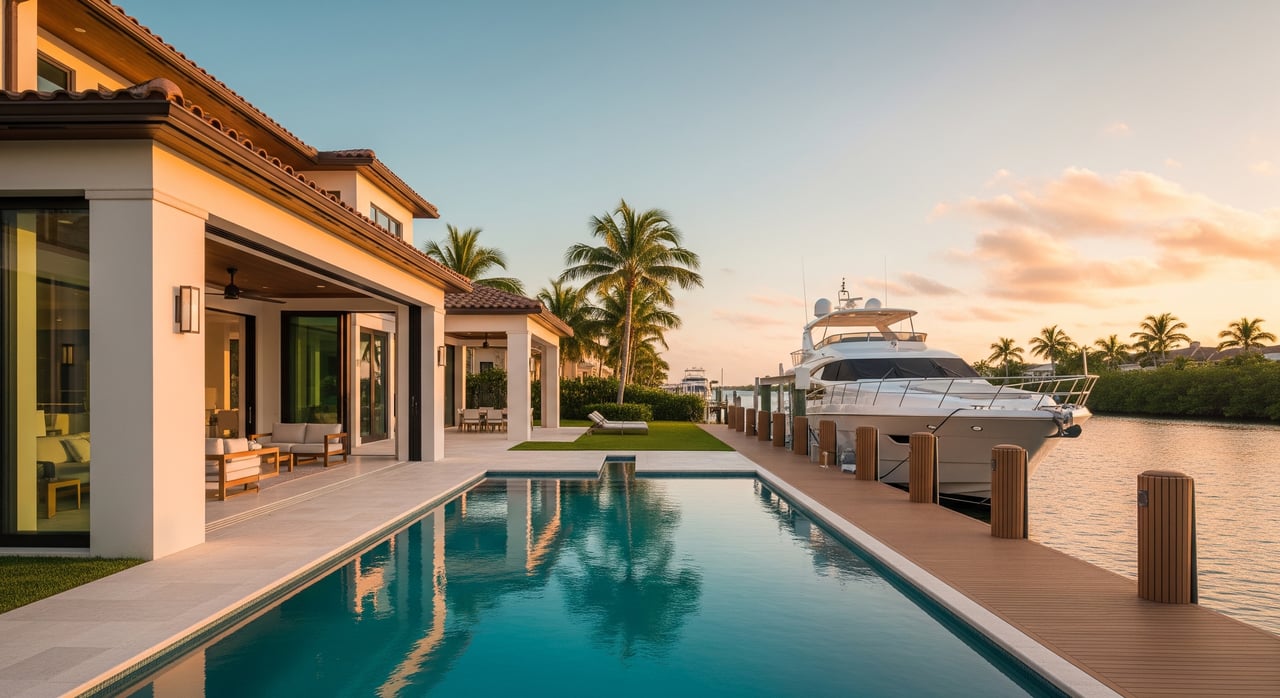
Buyers will pay more for direct ocean access with no fixed low bridges and a short transit to an inlet. Depth at the dock, permitted vessel size, and canal width matter if a buyer plans to keep a larger boat. If access is constrained by fixed bridges or shallow canals, expect a pricing discount relative to similar deep-water homes.
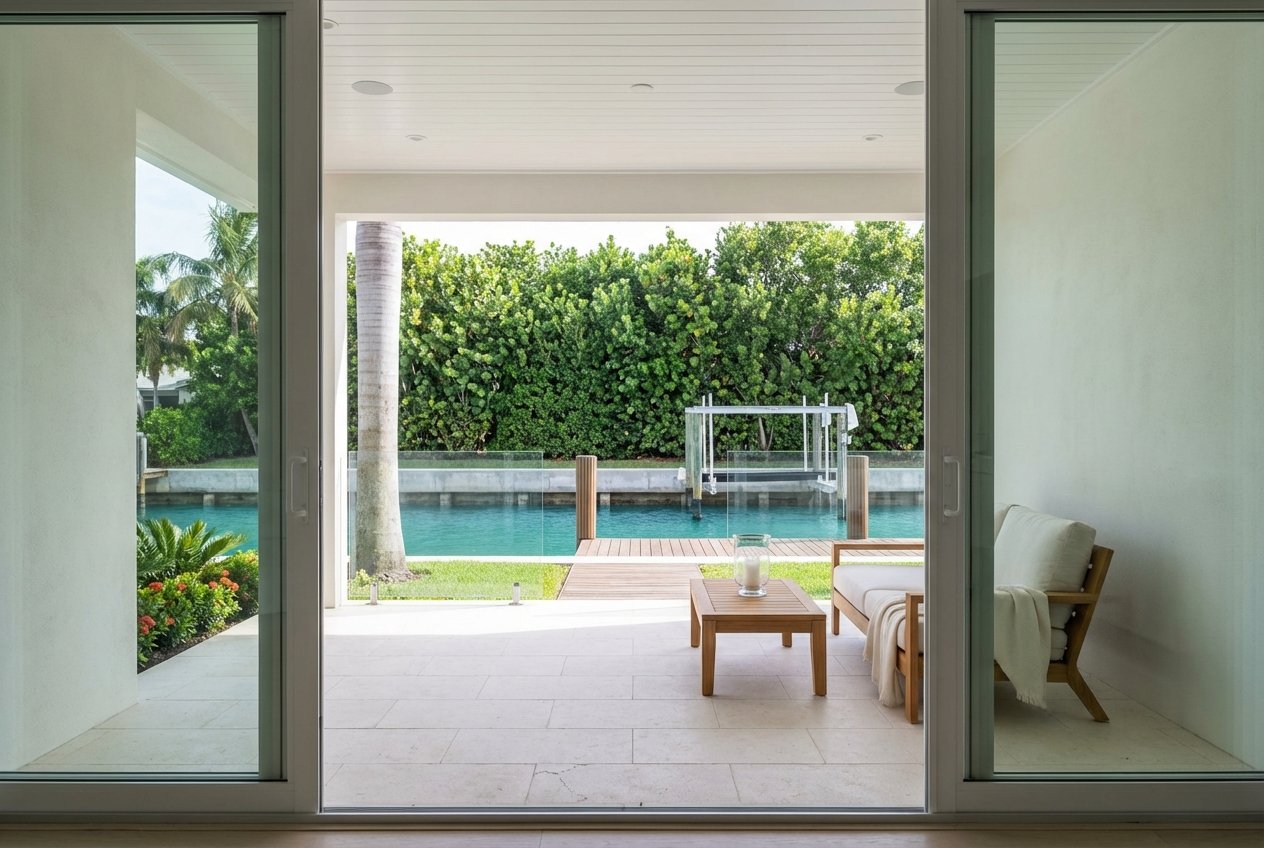
The dock’s condition, length, and lift capacity are core value points. Permitted lifts, quality pilings, and clear documentation support a higher price. If the dock is aging or unpermitted, that risk shows up in negotiations and may lower value.
A newer or well-maintained seawall or bulkhead is a meaningful premium. Failing or near-end-of-life seawalls can carry high replacement costs and longer timelines, which reduces price. Shoreline stabilization, riprap, and documented maintenance all strengthen your position.
Your FEMA flood zone, Base Flood Elevation, and elevation certificate influence both pricing and the buyer’s insurance cost. Homes with higher finished-floor elevations and mitigation features often see lower premiums and better marketability. Many buyers and lenders will consult the FEMA Flood Map Service Center early in the process.
Impact windows and doors, roof age and type, hurricane straps, elevated utilities, and generator readiness are value adds. Buyers credit recent upgrades that reduce storm risk and potential downtime. Be ready to document installation dates and warranties.
Deeper lots with more usable shoreline and wide, unobstructed water views command higher prices. Parcel width at the water and sightlines to neighboring structures affect perceived privacy and premium. Orientation and sunrise or sunset exposure can also shape demand.
Confirm riparian rights, submerged land leases, and any shared-maintenance agreements tied to the shoreline. Unclear ownership or easements can reduce private value. For shoreline work, review local and state rules through the Palm Beach County Building Division and the Florida DEP permitting guidance.
Factor in seawall and dock upkeep, marine boring protection, salt-related wear on systems, and higher landscaping needs. Flood insurance and wind coverage are key underwriting items and can impact the buyer pool. Access to quotes and claim history builds trust and helps support your price.
Use very recent sales, ideally within the last 6 to 12 months, that match water type, view quality, and access. Expand your radius only when necessary and adjust for ocean or inlet proximity, canal depth, and fixed bridges. Verify lot dimensions, shoreline length, and improvements with the Palm Beach County Property Appraiser.
Make qualitative and supported quantitative adjustments for navigability, dock capacity and lift size, seawall age and condition, elevation and flood risk, view corridor, and privacy. Document these differences so appraisers and buyers can see how you arrived at your price. Providing inspection reports and permits strengthens your rationale.
If possible, align your launch with peak buyer attention in fall and winter. Monitor active inventory and price reductions nearby to confirm your pricing lane. Use NOAA’s resources to understand local water patterns that matter to boaters, such as NOAA tide and water level tools.
Coastal rules can influence what you can build or replace. Review county permitting with the Palm Beach County Building Division and shoreline policies with Palm Beach County Environmental Resources Management. For state-level coastal and dock work, consult the Florida DEP Coastal Construction Control Line program and broader Florida DEP permitting guidance. Confirm flood zones and preliminary map changes using the FEMA Flood Map Service Center.
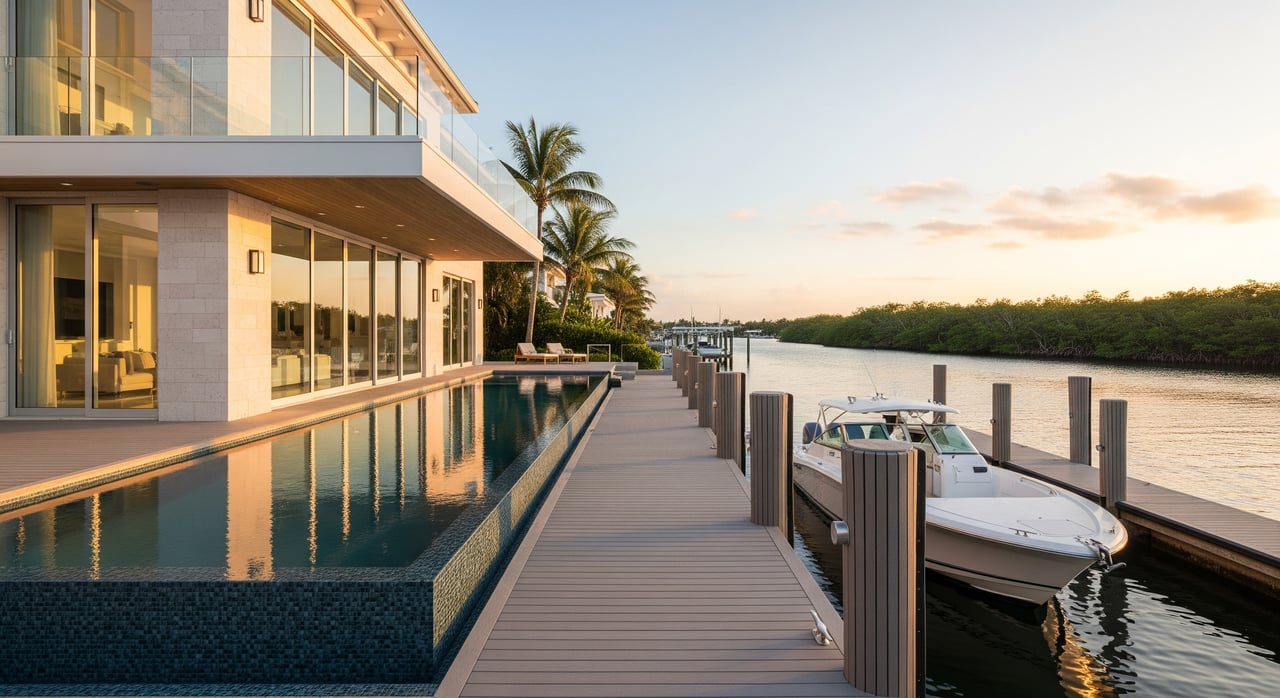
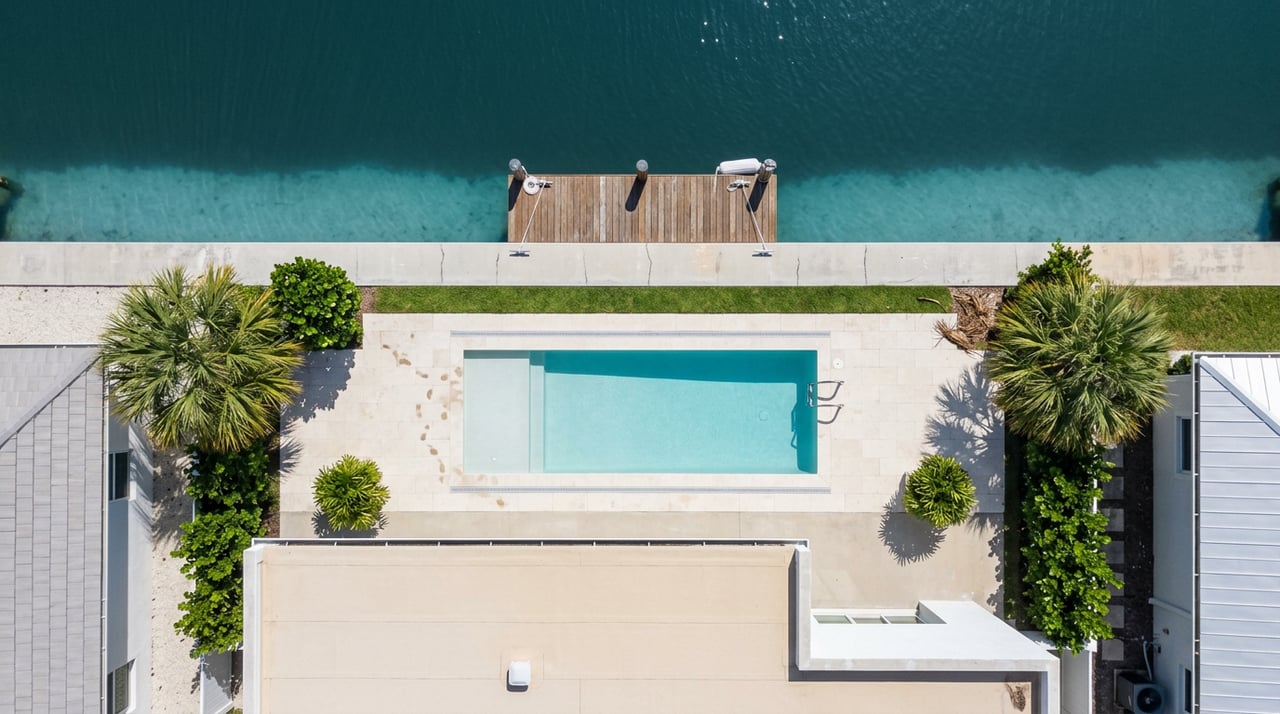
Lead with proof. Highlight verified ocean or inlet access, lift capacity, seawall age, and mitigation upgrades in the first lines of your listing. Use high-quality aerials to show water width, navigability, and privacy. Share flood zone details and insurance estimates up front to remove uncertainty and build buyer confidence.
Expect buyers to request recent seawall and dock inspections, elevation certificates, and current insurance quotes. Lender appraisals may struggle with unique waterfront features, so prepare a clean comp package and documentation for the appraiser. Build in time for insurance underwriting or boat-related due diligence if the buyer plans to keep a larger vessel.
If you are weighing a sale or preparing to buy on the water in Tequesta, you deserve a pricing plan built on local evidence and premium presentation. For a confidential consultation and a tailored valuation of your waterfront property, connect with Denise Torres and the Saltwater Home Group.
Stay up to date on the latest real estate trends.
I pride myself on informing and educating my clients in order to make better real estate decisions. Contact me today to find out how I can be of assistance to you!