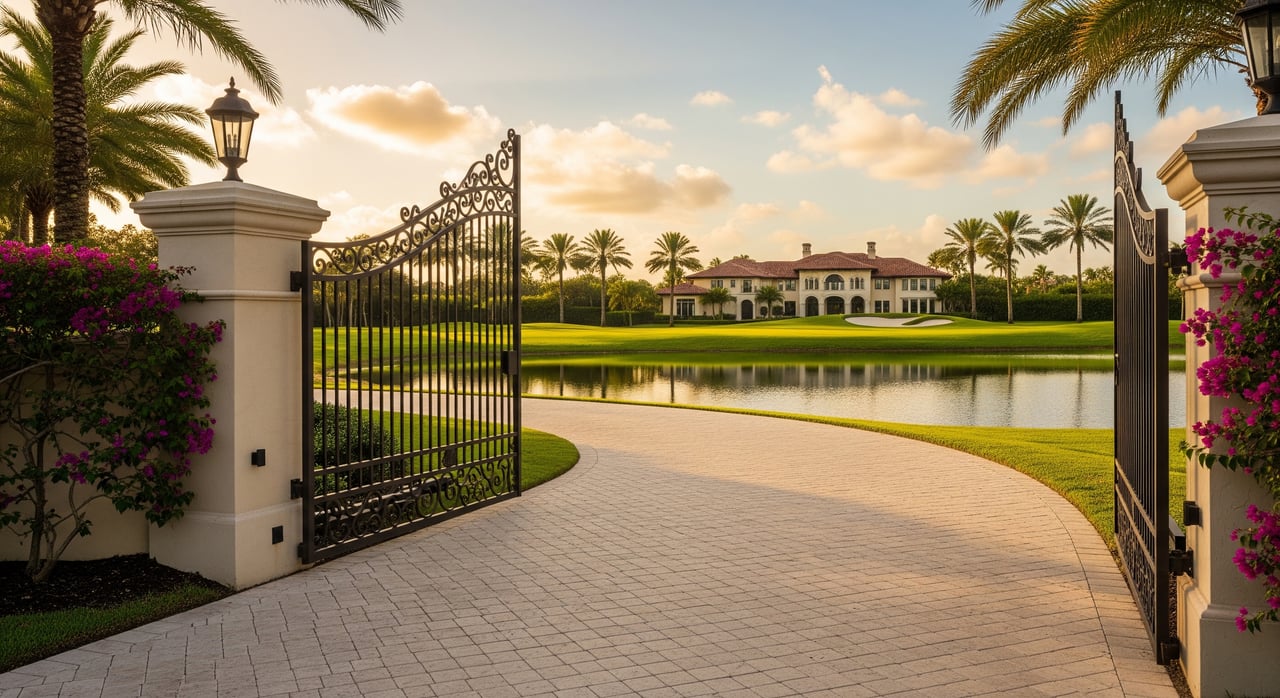
Comparing Golf and Gated Communities in Palm Beach Gardens
February 12, 2026
February 12, 2026
Trying to decide between a golf community and a gated neighborhood in Palm Beach Gardens? You are not alone. With so many amenity-rich options across Northern Palm Beach County, it can be hard to know which lifestyle fits your day-to-day routine and long-term plans. In this guide, you will learn how these community types differ, what they cost, how memberships work, and how to do smart due diligence before you buy. Let’s dive in.
Golf communities in Palm Beach Gardens are built around one or more courses and an active club scene. You will often see full practice facilities, clubhouses, fitness, dining, and a robust social calendar tied to the game. According to industry context from the National Golf Foundation, clubs vary by access model, which can shape your daily routine and budget.
Expect a golf-first lifestyle with tournaments, clinics, and events. Homes often sit on fairways or water, which can mean scenic views and premium pricing. Some neighborhoods also include tennis, pickleball, and spa services for a well-rounded experience.
Gated communities focus on controlled access and a broad mix of amenities not limited to golf. Common perks include pools, fitness centers, playgrounds, trails, and community centers with programming for many lifestyles. You may find a wider mix of housing types, from townhomes and condos to single-family homes.
The pace feels flexible if golf is not your top priority. You still get privacy and shared amenities, often with a single HOA that manages most community operations. Larger master-planned areas may include sub-associations, parks, and small commercial centers.
Local communities help illustrate these models. Around the resort area, PGA National Resort & Spa is a major golf destination with multiple courses and nearby residential neighborhoods that draw year-round and seasonal owners. Private club living is front and center at BallenIsles Country Club and Frenchman’s Reserve, where golf and country-club amenities anchor the lifestyle.
For a planned, mixed-use environment, Abacoa offers parks, town centers, and diverse housing options. It is not structured like a private country club, which makes it a useful contrast if you want community amenities without a golf-first focus.
Always confirm specifics directly with community management. Membership requirements, guard gates, and HOA rules vary within and across neighborhoods.
Membership structure is the key difference if you plan to play often.
Tee-time priority matters if you plan regular play. Members usually get priority access over the public or guests. Clarify waitlists, seasonal demand, and any reciprocal privileges with nearby clubs before you commit.
Both golf and gated communities typically have homeowners’ associations with recorded covenants, conditions, and restrictions. In a golf-country-club setting, you may interact with two entities: the HOA for the neighborhood and a separate club corporation for golf and social amenities. In a master-planned gated community, a single HOA may manage most amenities, plus any sub-associations for specific enclaves.
Florida HOAs operate under Florida Statutes Chapter 720, which outlines budgets, reserves, disclosures, and owner rights. Condominiums operate under Chapter 718. When you write an offer, your agent will help you request association documents, recent budgets, meeting minutes, and an estoppel certificate to confirm any outstanding assessments and rules. Review rental caps, pet rules, design approvals, and any special assessments or capital projects that could impact costs.
Purchase price is only part of the story. Create a full budget that includes:
In South Florida, wind and hurricane risk can influence premiums and deductibles. Ask for the association’s master insurance summary, claims history, and reserve study so you understand what is covered and what falls to you as an owner.
Gated entries help manage visitor flow and can increase a sense of privacy. Security features vary from staffed gates to electronic access systems. In golf communities, some neighborhoods are fully gated while others are open, so confirm how access is handled.
Lot sizes, views, and architecture also differ. Golf-course homes often command premiums for fairway or water vistas and may feature custom or luxury designs. Gated planned communities may offer a broader range of sizes and price points, including villas, townhomes, and condos.
Homes on the course or behind gates can attract strong buyer interest among golfers and lifestyle-focused buyers. A deep amenity package often supports higher price per square foot. At the same time, higher ongoing dues or strict rental rules can narrow the buyer pool.
Pay close attention to reserve funding and litigation that may affect future assessments. Ask about the club’s financial stability and any major course or clubhouse projects on the horizon. If you are eyeing a fairway lot, weigh the trade-offs of views against occasional noise or maintenance activity near the course.
Use this checklist during your search and contract period.
Use a simple framework to narrow your options:
If you want a clear, side-by-side picture of Palm Beach Gardens golf and gated communities, you deserve a local advisor who knows the course layouts, HOA structures, and cost details. From curated previews to remote support, you can streamline decisions and avoid surprises. Connect with Denise Torres to compare memberships, budgets, and neighborhoods that match your lifestyle and timeline.
Stay up to date on the latest real estate trends.
I pride myself on informing and educating my clients in order to make better real estate decisions. Contact me today to find out how I can be of assistance to you!