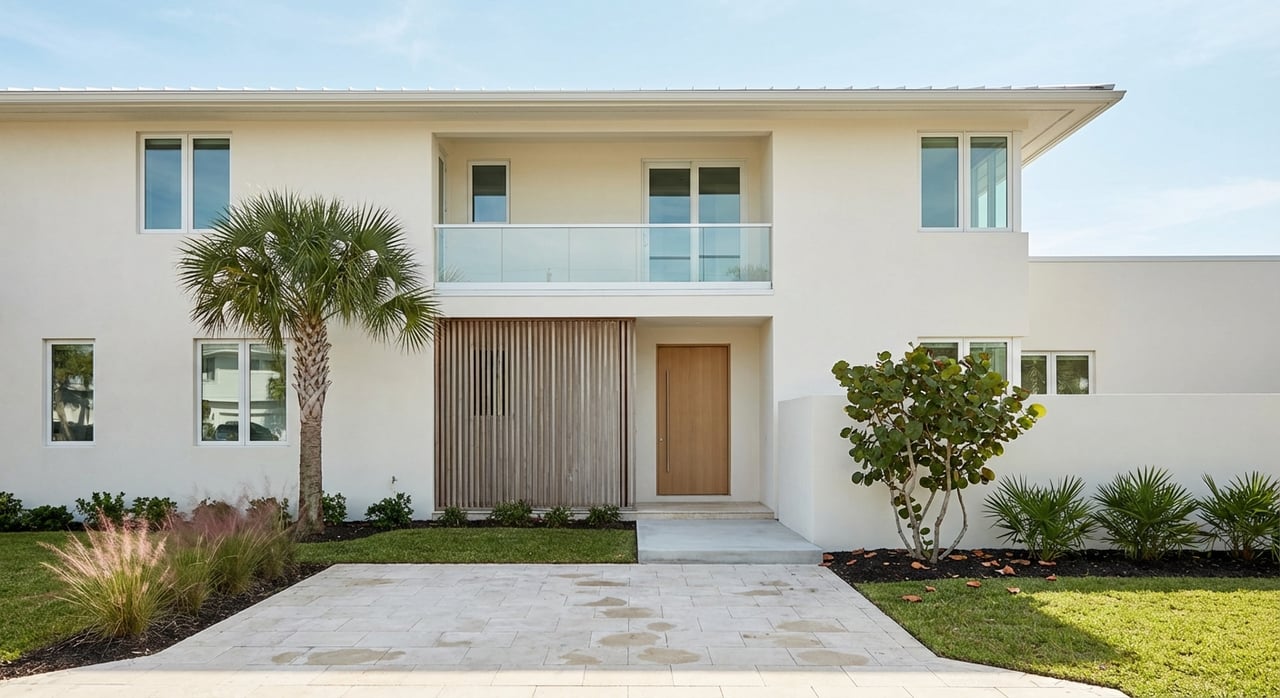
Oceanfront vs Near-Ocean Living in Juno Beach
February 26, 2026
February 26, 2026
You can almost hear the waves from here. If you’re considering a move to Juno Beach, you might be torn between the magic of true oceanfront living and the easy rhythm of a near-ocean home. It’s a great problem to have, and the right choice comes down to lifestyle, cost, and long-term peace of mind. In this guide, you’ll see how each option plays out day to day, what it costs to maintain, and how to vet a property before you buy. Let’s dive in.
Oceanfront or beachfront typically means the property sits directly along the dune and beach with an unobstructed view of the Atlantic. Many buildings or homes have immediate access via dune walkovers. Near-ocean homes are in the same coastal neighborhood but one or two streets back, sometimes across A1A, and you’ll use nearby public access points like Juno Beach Park and the pier. Both offer a coastal lifestyle, but the tradeoffs are important.
Juno Beach is a smaller, primarily residential town. The 990-foot pier and Juno Beach Park are focal points for public beach access, so even oceanfront owners often enjoy the same shoreline as everyone else. That compact footprint also means oceanfront inventory is scarce, and prices can swing with just a few sales.
If your goal is panoramic ocean sunrise views, oceanfront delivers. Upper floors in many mid-rise buildings capture sweeping horizons. Remember that actual view quality depends on unit orientation, floor height, and dune vegetation. Near-ocean homes can still enjoy framed or partial ocean views and strong coastal light without sitting directly on the sand.
Oceanfront means you step out and you’re there. For near-ocean, you’ll walk or drive a few minutes to public entries like Juno Beach Park. If private or deeded access is important, verify it in writing during due diligence. Many buyers find that a two to five minute stroll is a small tradeoff for savings elsewhere.
Wave sound and beach energy are part of the charm for oceanfront owners. Activity can increase near the pier and public access points, and seasonal events may bring more foot traffic. Near-ocean streets usually feel quieter while keeping you close to the same amenities. Local programming at the pier varies by season, which can shape daily rhythms. You can preview the scene by checking the pier’s operator, Loggerhead Marinelife Center, and their Juno Beach Pier details.
Juno Beach is an important sea turtle nesting area. Exterior lighting and beach use have seasonal rules to protect turtles and hatchlings. If you plan outdoor lighting or beach-facing renovations, expect timing and design standards during nesting season. You can learn more through Loggerhead Marinelife Center’s local information on the Juno Beach Pier.
Salt air is wonderful, but it is tough on materials. Oceanfront properties face faster corrosion of metal fixtures, screens, railings, and pool and HVAC components. You should also expect more frequent exterior painting and sealing. Guidance for coastal construction emphasizes resistant materials and elevated design choices to reduce damage over time. If you are buying on the sand, budget for higher annual maintenance. FEMA’s coastal construction guidance outlines these realities for shoreline structures and systems, and is a helpful reference for what inspectors watch for. See the FEMA Coastal Construction Manual overview hosted here: FEMA coastal construction guidance.
Near-ocean homes still experience salt and wind effects, but usually at a lower intensity than the frontline.
Flood insurance and wind coverage are core pieces of your cost picture. Lenders typically require flood insurance if a property is in a Special Flood Hazard Area and you use a federally regulated mortgage. Premiums and availability depend on your parcel’s flood zone, building elevation, and construction type. It’s smart to secure insurer pre-quotes early, using the specific address and elevation details. For background on NFIP rules and lender requirements, see this overview of federal flood insurance and lender mandates.
At the local level, Palm Beach County’s mapping tools can help you identify flood zones and other layers during your screening. Review the county’s GIS and boundary maps portal for parcel-level context.
In oceanfront condominiums, HOA fees cover common areas, exterior maintenance, and master insurance on shared elements. Since 2022, Florida law requires milestone structural inspections and Structural Integrity Reserve Studies for many buildings three stories or higher. This increases transparency but can raise dues or trigger special assessments, especially in older mid-rise buildings. Before you contract, request the building’s inspection reports, the SIRS, current budgets, insurance certificates, and recent meeting minutes. You can read a helpful plain-language summary of the law’s impact here: Florida condo inspection and reserve requirements.
For single-family oceanfront homes, you control the property and pay all upkeep and insurance directly. That includes seawall or dune walkover care where present, along with more variable maintenance costs tied to weather and exposure.
Juno Beach’s housing stock is compact, and oceanfront options are limited. That scarcity supports a price premium for direct beach access and panoramic views. Aggregated market snapshots often show a town-wide median that is well below many oceanfront list and sale prices. Since one or two sales can move the numbers, rely on building-specific and block-specific comparables rather than broad medians.
When you evaluate whether oceanfront is worth it, weigh four things:
For many buyers, near-ocean offers a similar day-to-day experience at a lower entry price and with fewer corrosion-driven expenses. For others, stepping onto the sand from your building is the nonnegotiable.
The Juno-Jupiter coastline has a history of erosion and has participated in beach nourishment projects in past decades. Nourishment helps maintain the dune and berm but is not permanent, and projects depend on timing, permits, and funding. You can screen long-term scenarios with NOAA’s Sea Level Rise and Coastal Flooding Impacts Viewer. If you are serious about a specific stretch of beach, ask about recent or scheduled projects and review public permitting records from agencies like the U.S. Army Corps of Engineers for the Jupiter–Juno reach.
Whether oceanfront or near-ocean, confirm the flood zone and request an Elevation Certificate when available. These details drive lender requirements and insurance pricing. Palm Beach County’s GIS portal is a useful starting point, and your insurer or lender will use FEMA Flood Insurance Rate Maps to finalize decisions.
Sea turtle nesting season comes with lighting standards and seasonal restrictions that affect ocean-facing fixtures and some coastal work. Expect compliance checks in beachfront buildings. Loggerhead Marinelife Center maintains information about the Juno Beach Pier and local conservation activity, which is a good primer for new owners.
Use this list to evaluate any oceanfront or near-ocean property you’re considering:
Flood and elevation
Condominium due diligence
Structural and site conditions
Environmental and permitting history
Lifestyle and access test
Long-term risk and resale
Choose oceanfront if you value sunrise views and step-out access above all else, and you are comfortable with higher maintenance and insurance exposure. For condos, you’re also prepared to engage with association documents, reserves, and potential assessments.
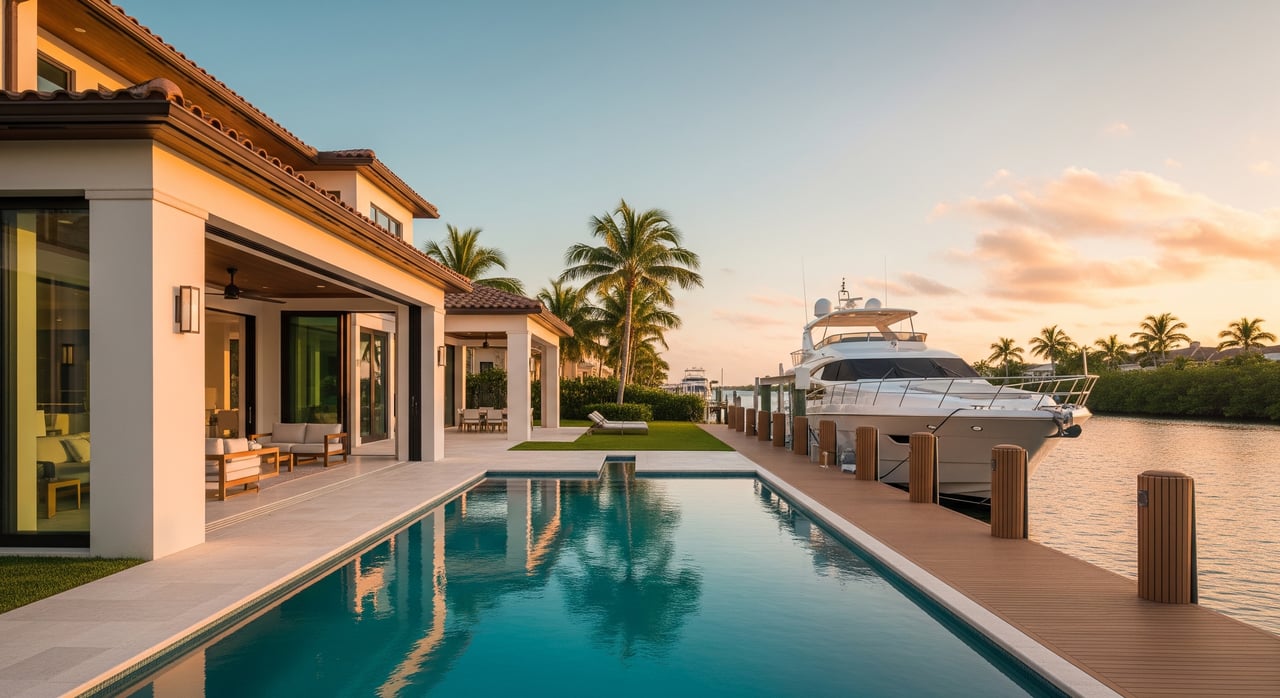
Choose near-ocean if you want most of the same beach lifestyle at a lower entry cost, prefer quieter streets, and want to reduce corrosion-driven upkeep. You might trade a 2 to 5 minute walk for meaningful savings that you can apply to finishes, furnishings, or a boat slip nearby.
If you want a grounded read on specific buildings, blocks, or streets in Juno Beach, that’s where a local advisor adds real value.
Ready to explore oceanfront and near-ocean options with a clear plan and vetted numbers? Reach out to Denise Torres for neighborhood-level guidance, private access to opportunities, and a smooth, white-glove process from search to close.
Stay up to date on the latest real estate trends.
I pride myself on informing and educating my clients in order to make better real estate decisions. Contact me today to find out how I can be of assistance to you!