Jupiter Marina Communities: A Boater’s Guide
November 21, 2025
November 21, 2025
If you love life on the water, Jupiter gives you an incredible mix of blue‑water access, scenic river cruising, and marina living. You also face real decisions: inlet conditions, slip rules, insurance, and what it actually takes to own a home with a dock. The good news is you can navigate it with confidence. In this guide, you’ll learn how Jupiter’s marina communities work, what to evaluate before you buy, and how to keep your boat and property storm‑ready. Let’s dive in.
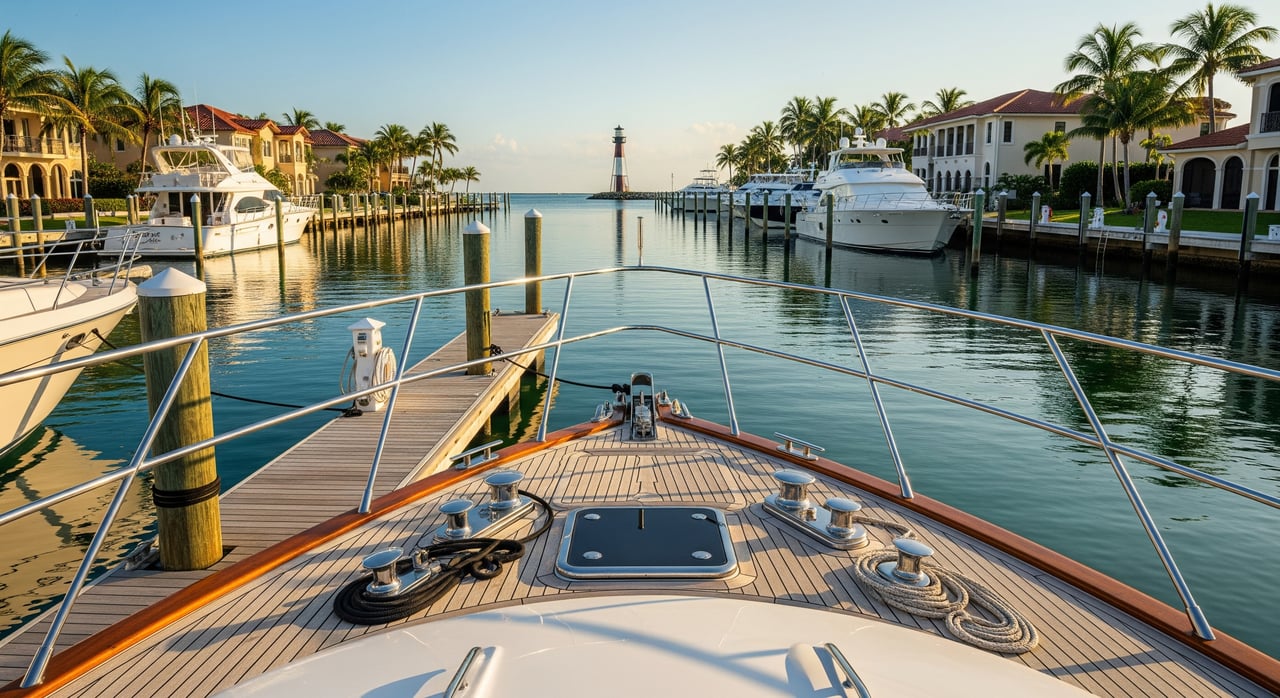
Jupiter sits where the Loxahatchee River meets the Atlantic through the Jupiter Inlet. You get quick runs offshore, access to sandbars and paddle spots, and a strong boating culture. Many owners keep day boats, sportfishers, or cruising yachts in slips at community marinas or private docks.
The inlet is a focal point for fun and navigation. It can be dynamic with currents and shifting sand bars, and dredging occurs periodically. With the right preparation and local knowledge, you can enjoy the best of inshore and offshore boating.
You’ll find public and private marinas that offer wet slips, fuel, pumpout, and service capabilities. Some are membership‑based with social and boating programs. Policies for liveaboards, guests, and transient dockage vary by facility.
Many waterfront communities include shared marinas. Slips might be deeded, assigned, or leased, with transfer or rental rules set by the association. Waiting lists can exist in popular neighborhoods, and maintenance or dredging may be funded through dues or assessments.
Mooring fields and anchorages are less common for long‑term homeownership needs but can be useful for short stays or visiting friends by water. Local ordinances can regulate anchoring in certain channels and near marinas.
When you compare marinas or community docks, focus on the essentials:
Before you buy into a marina community, ask for written answers to:
Jupiter Inlet is navigationally active. Sand bars can shift and currents can run strong, so you should check charts, marine forecasts, and Local Notice to Mariners before transiting. Many boaters rely on updated GPS charts, tide data, and local pilotage resources, especially when running the inlet for the first time or after storms.
Florida’s boating rules apply, including speed and wake requirements. Slow‑speed and manatee protection zones are commonly posted near seagrass, river mouths, and marinas. County and town ordinances can add restricted areas and anchoring rules in certain waterways. Always observe markers and posted signage.
Carry a VHF radio and monitor channel 16. Keep current charts on board and check NOAA/NWS forecasts, tides, and sea conditions before you go. If you are unfamiliar with the inlet, consider a local captain, tow/assistance membership, or a professional delivery service for first transits in new conditions.
Always confirm whether a slip or dock is included in the sale and on what terms.
Use this as a practical guide before you write an offer:
Waterfront properties often require enhanced coverage. Expect flood, windstorm, and homeowner policies for the property, plus hull and liability coverage for the vessel. Premiums can be higher in high‑risk zones. If a slip is not deeded, lenders may scrutinize legal access to the water and clear docking rights before approving financing.
Marinas usually maintain written hurricane plans that outline haul‑outs, storage, extra lines, chafe protection, and timelines. Some facilities limit leaving larger boats in slips during major storms and may require insurance coverage for haul‑out or relocation.
If you own a private dock, plan to secure vessels early. Remove small craft, loose gear, and any items that could become projectiles. Protect electrical systems and fixed dock elements. Schedule regular inspections for piling integrity, electrical safety, and lightning protection.
Document the condition of your property and boat before storm season with photos and inspections. Keep records of dock plans, permits, and repair receipts. Ask your association or marina how liability is handled in common areas and what policies cover docks and pilings.
Rates and policies change. Contact marinas and HOAs directly for current rate sheets, rules, and reserve studies. Compare local sales of homes with and without deeded slips to gauge value. Speak with marina managers and boat brokers for real‑time ranges on monthly dockage and transient fees.
Work in navigable waters often involves permits from the county or town, state environmental agencies, and sometimes the U.S. Army Corps of Engineers. Seagrass, mangroves, and nearshore habitats are protected, which can shape design and construction methods. Plan for survey work to determine mean high and low water lines, and expect processing timelines if you replace a seawall or build a lift.
You deserve a smooth, informed experience when the property involves a dock or marina access. Our team provides buyer representation, valuations, and neighborhood advisory tailored to Jupiter’s waterfront communities. For relocation buyers, we offer responsive, concierge‑style support, including coordinated inspections and trusted local referrals.
If you are selling, we bring premium marketing through a white‑glove process that showcases waterfront features the right way. Whether you want a private, off‑market approach or a full launch, you get a client‑first plan backed by team resources and disciplined execution.
Ready to talk through a specific community, inlet access, or slip rules? Connect with Denise Torres for a Jupiter‑focused plan that fits your boating lifestyle.
Stay up to date on the latest real estate trends.



I pride myself on informing and educating my clients in order to make better real estate decisions. Contact me today to find out how I can be of assistance to you!